
COVID Isn’t Just a Winter Illness
What to Know About COVID, Histamine & Long-Term Symptoms
COVID isn’t just a winter illness. In recent years, we’ve seen COVID circulate throughout the year, including during periods of increased summer travel. And while the number of COVID cases seen in the Flourish office can shift from season to season, one thing remains important: knowing when you’re dealing with COVID can help you make more informed decisions about how to support your body during and after an infection.
At Flourish Marin Integrative Medicine, we pay particular attention to COVID because of what can happen after the acute infection.
The symptoms themselves may be relatively mild. You might have a headache, feel dehydrated, or notice a loss of taste or smell. But for some people, COVID can be followed by longer-lasting symptoms involving energy, inflammation, neurological function, musculoskeletal health, histamine responses, and more.
That’s why knowing what you’re dealing with matters.
Why COVID Can Be Different From a Typical Cold or Flu
Most of us are familiar with the basic pattern of a cold or flu: you get sick, your body mounts an immune response, and eventually you recover. COVID can follow that same general pattern, but Dr. Hillary has observed that it can also create a more complicated picture for some patients. One of the biggest reasons is the possibility of long-term symptoms or sequelae after COVID, commonly referred to as Long COVID.
The experience of Long COVID has also broadened our understanding of what can happen when the body doesn't fully return to baseline after an infection. Patients with Long COVID may experience a wide range of symptoms, including:
Persistent fatigue
Neurological symptoms
Musculoskeletal symptoms
Changes related to inflammation
Vascular or clotting-related complications
Histamine-related symptoms
Not everyone who gets COVID develops these problems. But because the potential aftermath can be different from what we typically see with a common cold, it's worth paying attention to how your body responds.
COVID, the Immune System & Histamine

One area Dr. Hillary watches closely in her patients is histamine activity.
Histamine is involved in the body's immune response and can contribute to a wide range of symptoms. When histamine activity is already an issue for someone, an infection such as COVID may be an additional stressor.
This can be particularly relevant for people who already experience symptoms associated with histamine or mast cell activation.
Some of the symptoms Dr. Hillary associates with histamine issues include:
Allergy-like symptoms
Brain fog
Anxiety or agitation
Chronic sinus symptoms
Gastrointestinal issues
Musculoskeletal pain
Frequent urination without a UTI
Histamine-related issues can be challenging to evaluate through standard laboratory testing alone. In clinical practice, the patient's history, exposures, symptoms, and response to treatment can all be important pieces of the picture.
For someone who already knows they struggle with histamine symptoms, a COVID infection may be a reason to pay particularly close attention to those symptoms during and after the illness.
What About Other Viruses and Chronic Infections?
Another reason COVID can be important to identify is that an infection can place additional stress on the immune system.
Many of us have been exposed to viruses and other infections throughout our lives. Dr. Hillary specifically discusses conditions and infections such as:
Epstein-Barr virus
Herpes viruses
Lyme disease and other tick-borne illnesses
Mycoplasma
Other bacterial infections
Potential mosquito-borne illnesses
These infections don't necessarily become active or symptomatic every time someone gets sick. But in patients with a history of chronic or recurring symptoms, Dr. Hillary watches to see whether an acute COVID infection is followed by a flare of an underlying issue.
This is one reason she takes a patient's individual history into account rather than treating every COVID infection exactly the same way.
Why Testing for COVID Still Matters
One of Dr. Hillary's biggest takeaways is simple:
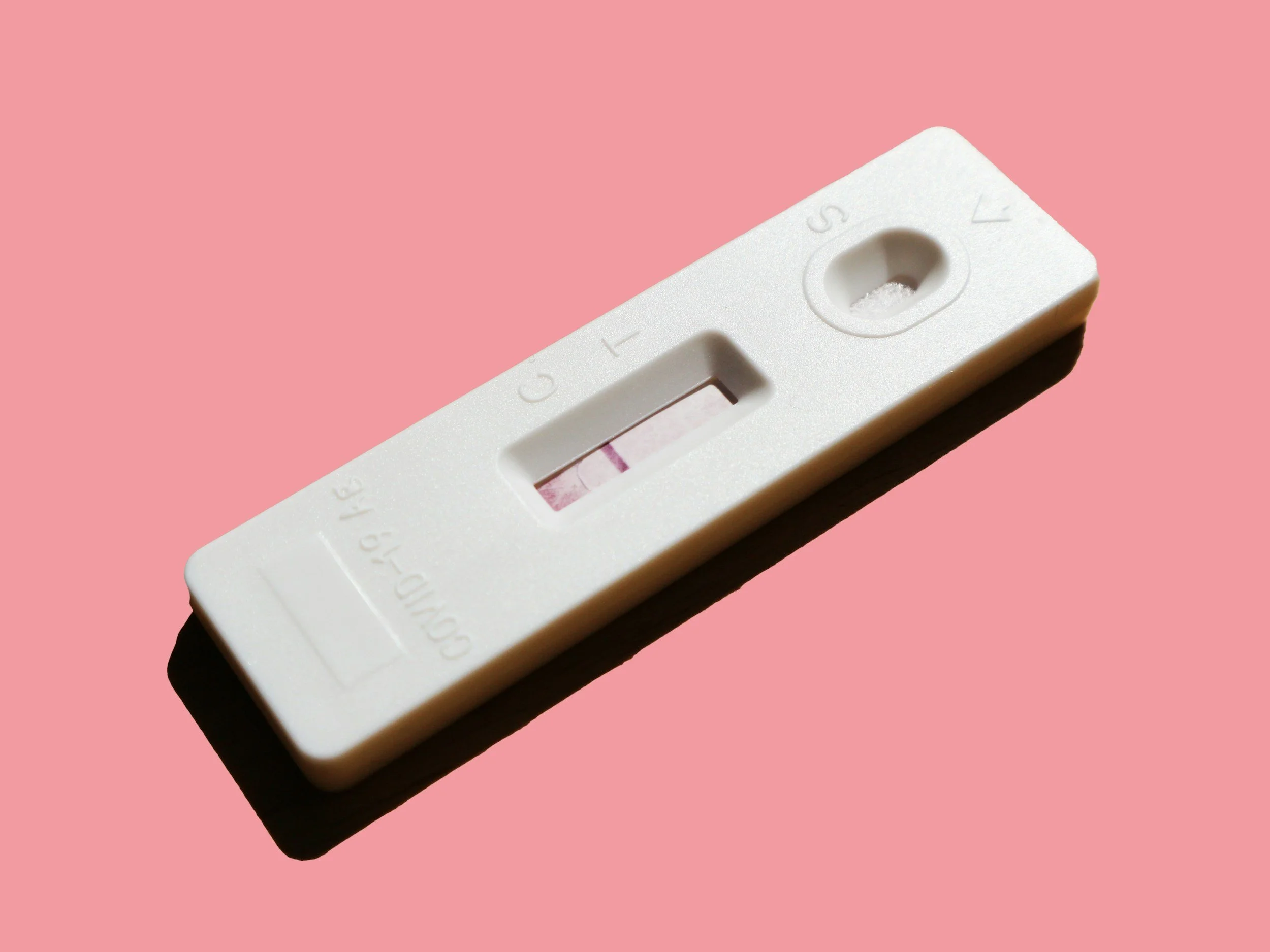
If you are sick, consider testing for COVID.
This isn't necessarily about changing everything you do because you have a positive test. It's about having useful information. If you know that you're dealing with COVID rather than a cold or flu, you can work with your healthcare provider to determine what additional monitoring or treatment may be appropriate for you.
At-home combination tests that check for influenza A, influenza B, and COVID can make this easier. Dr. Hillary recommends keeping some tests at home so you can check when you're sick rather than having to figure it out later.
She notes that COVID tests don't necessarily turn positive immediately, so testing again after a day or two may provide additional information when symptoms continue.
What If Your COVID Test Is Negative?
A negative test isn't always the end of the conversation.
According to Dr. Hillary, if someone has classic symptoms such as a loss of taste or smell, or if they describe an illness that feels distinctly different from their typical cold or flu, she may still consider COVID as part of the picture despite a negative test.
The important takeaway is to look at the whole clinical picture, rather than relying on a single test result in isolation.
If you're experiencing significant or unusual symptoms, talk with your healthcare provider about whether additional testing or evaluation makes sense.
Supporting the Body During COVID

Dr. Hillary discusses several nutritional and supportive therapies that she uses in her clinical practice with certain patients during COVID, including:
Vitamin C
Vitamin D
Zinc
Quercetin
NAC
Glutathione
Melatonin
She also discusses IV nutrient therapy for appropriate patients, including IV vitamin C and other nutrients.
Importantly, the appropriate treatment depends on the individual. Someone with a history of histamine issues, Lyme disease, herpes viruses, mold exposure, or other underlying concerns may require a different approach than someone without those factors.
Some patients may also benefit from prescription antiviral medications, depending on their individual circumstances.
COVID treatment should be individualized with your healthcare provider rather than approached as a one-size-fits-all protocol.
Don't Forget About What Happens After COVID
One of the most important questions isn't only:
"How sick am I right now?"
It's also:
"How does my body recover afterward?"
If you've had COVID and notice that you aren't returning to your normal baseline, pay attention. Persistent fatigue, brain fog, unusual inflammation, worsening histamine symptoms, recurring infections, or other changes may be worth discussing with your healthcare provider.
This is especially true if you already have a history of chronic health issues that tend to flare when your body is under stress. At Flourish, we look at the person as a whole. Your current symptoms are important, but so are your history, previous infections, environmental exposures, and patterns that may help us understand what your body needs now.
A Simple Fall & Winter COVID Strategy

As we move through changing seasons, here's the practical takeaway:
Keep COVID testing at home.
If you get sick:
Test for COVID, particularly if your symptoms feel unusual or more systemic than a typical cold.
Consider testing again if you're early in the illness and the first test is negative.
Pay attention to your symptoms, including changes in smell or taste.
Know your personal history. If you have recurring histamine symptoms, previous Lyme disease, Epstein-Barr virus, herpes viruses, or other chronic concerns, let your healthcare provider know.
Talk with your doctor early if you test positive so you can determine whether additional treatment or monitoring is appropriate.
Watch your recovery, not just the acute illness.
And remember: you don't have to panic every time you get sick. The goal is simply to have enough information to respond appropriately.
The Bottom Line
COVID isn't necessarily just a winter virus, and it's not always as simple as distinguishing between a "bad cold" and the flu.
For some people, COVID can have effects that extend beyond the initial infection. Understanding that possibility allows you and your healthcare provider to pay closer attention to the recovery process and to underlying issues that may become more noticeable when your immune system is under stress.
Testing is one simple way to gather information.
And when you know what you're dealing with, you can make a more informed plan for supporting your body through the illness and back toward balance.
At Flourish Marin Integrative Medicine, we take an individualized approach to your health—looking beyond the immediate symptom to understand the bigger picture of your body, your history, and your overall wellbeing.